Tuesday, April 6, 2010

Spring Break Day 3: Dry Falls Lake

Dry Falls Lake is one of the premiere fly-fishing destinations in all of Washington State. The Lake was formed during the great American flood, where a wall of water 1000 feet tall swept across the desert, ultimately flushing through the basin area, creating the incredible 400 foot cliffs of Dry Falls Lake. Its an amazing venue, and the fact that the fishing can be quite good only adds to its charm.

Dry Falls Launch

On Day 3, a Tuesday, we arrived at the lake around 10:00am, and we were surprised to find the lake packed with anglers! I counted two dozen other fisherman, mostly in pontoon boats and water masters and prams. Doesn't anyone work anymore? No worries, fly fishermen are an easy-going lot as long as you aren't mistreating the resource. We launched our craft and headed out through the shallows into the deeper water.

Catching fish

Everyone was catching fish on that day. About half seemed to be fishing indicator setups and the other half a mixture of subsurface flies or woolly buggers. After querying the only other woman on the lake, Amy started fishing a black woolly bugger down deep. She immediately began catching fish. Fish after Fish. Amy really put it to me.

Rex Takasugi

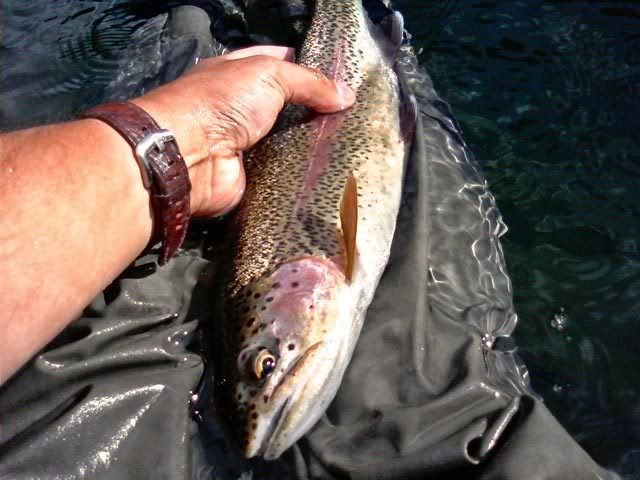
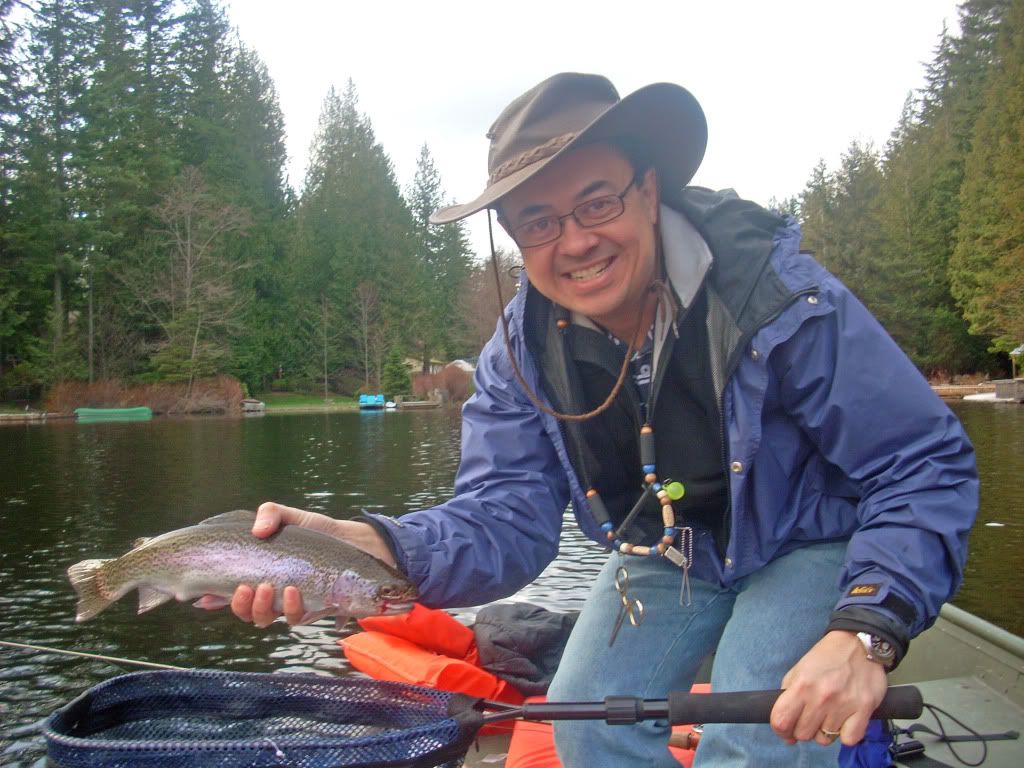
We ran into Rex Takasugi, who was putting on a clinic on the far side of the lake. He gave me some flies and gave us some pointers about where the fish were lying. Amy used that information to really start putting on a show. By now Amy had caught 15 fish. I had caught 1, and I was getting kind of steamed about it. Fortunately, I was able to put Rex's advise to work and I caught 4 fish, including the biggest fish of the day, this 18" trout.

Trout of the Day

Amy caught 21 fish, which is by far her record of most fish caught in a single day. My personal record is only 27. That last fish of hers was one of the nicest of the trip! A beautiful 17" fish, what a way to cap off the day!

Victory!!!

Day 3: Dinner and Lodging
We stayed at the Super 8 on the outskirts of Spokane. Do yourself a favor and stay someplace a little nicer.

Tally for Day 3: Amy = 21 Fish, David = 5 Fish.

Congratulations to Amy for her record day of fishing!

Monday, April 5, 2010

Spring Break Day 2: Quincy Lake & Rocky Ford

Before I continue with the trip report, let me acknowledge that this spring break trip has nothing to do with the Snoqualmie Valley.  Truth be told, there's not a ton of good fishing in the valley right now for the following reasons:
  1. The mainstem of the Snoqualmie is closed (as are most salmon and steelhead rivers this time of year).
  2. The forks of the river don't fish well until late summer, in my experience.
  3. The valley lakes are either still closed or haven't been planted.
  4. The Hancock Tree farm passes have sold out already (whoops! should have got mine!)
So for our spring fishing trip we went east out to the Columbia Basin.  I love fishing the desert!  Living in Snoqualmie, you can be at the basin in just 2 hours, which is yet another advantage to our little town.

Anyway, On with the report!


After breakfasting in Ellensburg, we hit the road for Quincy, just on the other side of the Columbia river. Quincy Lake is a beautiful desert lake that receives generous plants of rainbow trout early in the year.  It being a weekday, there were only a few other fisherman plunking away from shore as we motored by in our jon boat.  Amy immediately started getting strikes on her black woolly bugger.

Over the next four hours or so, she received strike after strike, ultimately catching 10 fish, which is a lot for her.  None of them were larger than the one in the picture but that's okay, she had a great time.  The lake was quite windy and by the end of our time there my face felt somewhat blasted by all the cold air. Somehow I caught only 2 fish at Quincy Lake, which seemed strange because the water was clearly teaming with trout.
 
We left the Quincy Wildlife area and drove down to the still-sleeping resort town of Crescent Bar looking for ice cream but everything was closed.  We settled for Mexican food in the town of Quincy proper and then headed to Rocky Ford, one of Amy's favorite fishing spots.

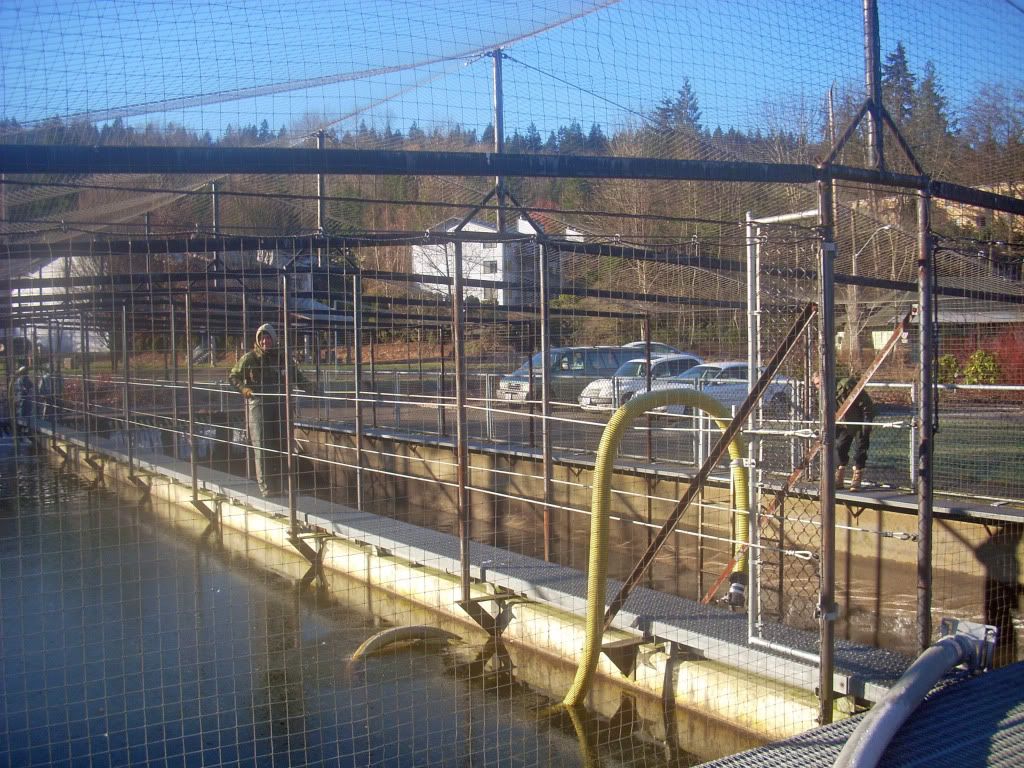
If you've never been to Rocky Ford its worth going.  Its a desert spring creek with a hatchery right on it.  The water is loaded with giant trout who are just milling around feasting on bugs all day.  The trout get quite smart so catching them can be challenging.  We usually just fish from the dock.  Amy can cast farther than I can now I noticed.  Of course, she immediately hooked up with a couple of big trout.
 
I caught only one trout, which happened to be the largest one.  Please ignore my funny Elmer-Fudd hat -- it was cold at the end of the day and I appreciated warm ears.

Finally tally for the day: Amy = 12 Fish.  David = 3 fish.
Day 2: Dinner and Lodging
We fished until dark and then drove down to the motel cluster at Moses Lake (all the way back to I-90).  We stayed at the Ramada Inn and ate fast food in our room.   I'd stay at the Ramada again, it was nice and reasonably priced.

Sunday, April 4, 2010

Spring Break Day 1: Upper Yakima River Proper


Home from Easter Service

Sunday was important for three reasons.  One, it was Easter.  Two, the end of Lent meant I could eat chocolate again.  Three, the start of our 4 day fishing trip.


After packing our gear, we drove an hour over the pass to my favorite fishing grounds.  I'd heard many tales of large fishing being caught somewhere on the Yakima lately.  It being cold, you can see Amy layering on several undergarments, including non-matching PJs and booties!


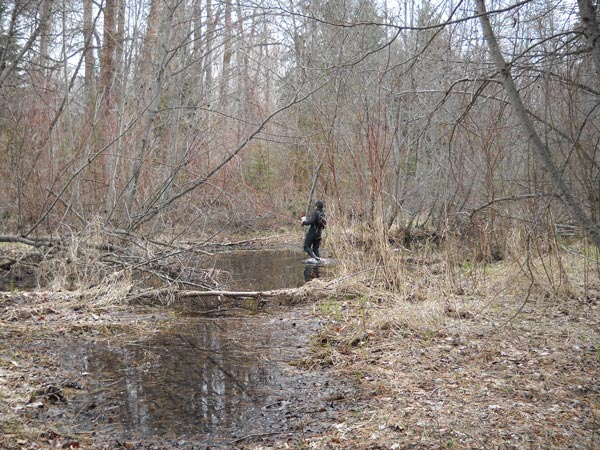
Geared up, we hiked through the woods to the river.  We fished hard for about three hours, in the wind and cold and finally rain.

Not a single tap.  So I didn't take any pictures of the river.  But the pictures of the woods were cool so I'm posting them.

Day 1: Dinner and Lodging
That night we stayed at the old "Ellensburg Inn" which is now a Quality Inn.  I like their little breakfast place, the pool and wifi.  We had dinner at this new place down the street called The Roadhouse Grill, which was honestly fantastic.   I had a GREAT rib-eye steak and watched the first Mariner's game on the TV over Amy's head at the bar. :)

So on day 1, the fishing wasn't so hot, but the road trip was going well.  Next up, Day 2, which includes the biggest fish of the trip...

Friday, March 26, 2010

A Handy Guide to Fishing the Snoqualmie Area...

Washington's Central Cascades Fishing Guide

North Bend, Snoqualmie Pass
Alpine Lakes Wilderness & Cle Elum
By Dave Shorett

I have TWO copies of this slim little nugget. One of them is dog-eared and following apart. It has accompanied me on many trips, but its also been my companion late at night when I can't sleep and I start day-dreaming about where to go in the summer. My friend the Alpine Lakes Super Ninja, Vlad Karpinsky, gave me the other copy a few years ago.

If you open it to a random page in the middle of the book, you'll be treated to maps, pictures and short descriptions of Alpine Lakes and the possible of quality fishing therein. A closer look at the book yields a logical division of lands from roughly my Neighborhood, East.


Three main sections define the book, starting with North Bend. This includes the Hancock Timber region that I've written about over the years, including Calligan Lake, Hancock Lake, and others.

The second section is the true gem, Snoqualmie Pass and the Alpine Lakes Wilderness. There are so many lake descriptions in this section that you get dizzy just thinking about them all.

The last section, East of Snoqualmie Pass, includes the Yakima River system and other places of interest.

Why am I telling you this? I thought long and hard about whether or not I was going to be ruining anything by promoting a guidebook to the very places that I go to get away. But you know what? The book can't give anyway any real secrets, because fishing conditions change year to year in any given lake. So even when the author says "contains small rainbows" you might get there and catch a hog; that something that has happened to me a few times, and its delightful.

So buy this book -- right now is a good time, it being the beginning of the fishing season, and you can start making your plans. Maybe we'll bump into each other on the trail!

Thursday, February 18, 2010

The Glamour of Fin Clipping

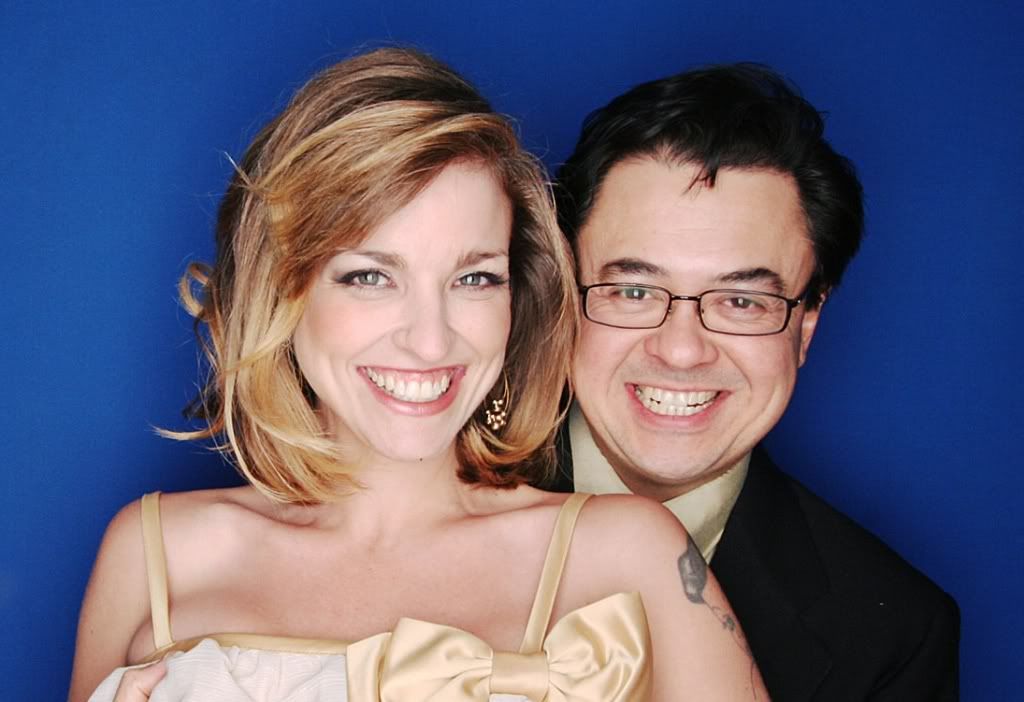
Its easy to see why people have trouble picturing Amy as the tomboy that she really is. She can glam it up with the best of them! Some have trouble believing she that loves to fly fish. She recently took a temporary job at the hatchery, not that she needs the money; she loves working with her hands, she loves fish and she likes getting dirty!

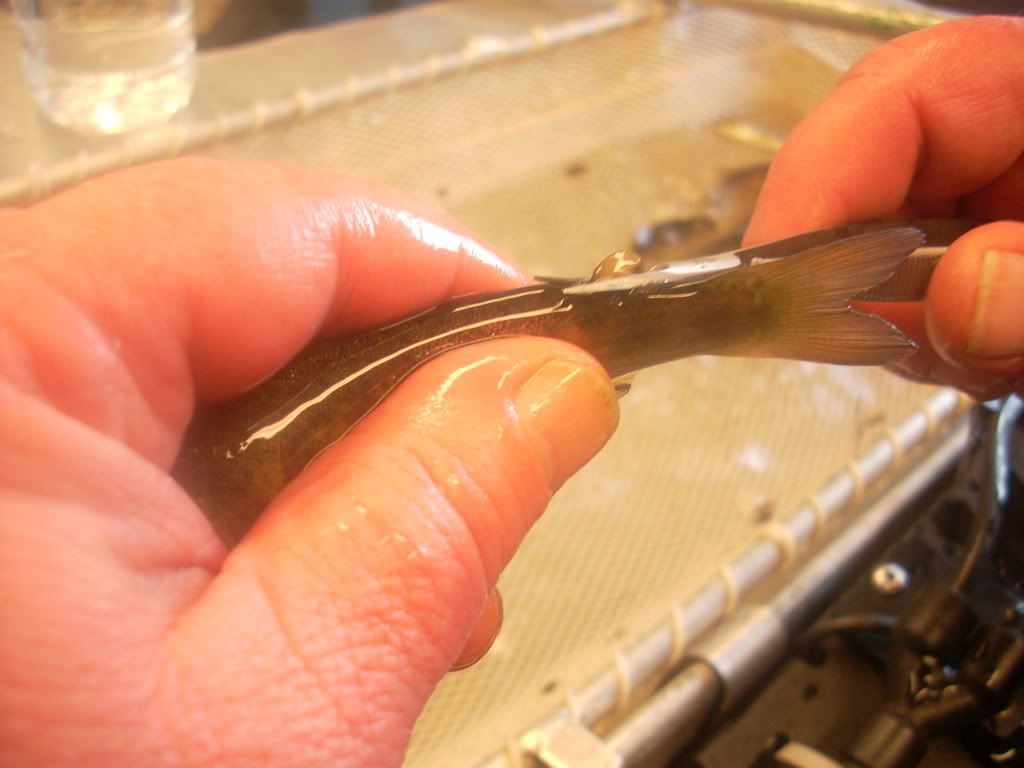
Fish Hatcheries raise Salmon (and some trout) from eggs and then they let them go as babies into the river. Those baby fish go out to sea for a couple of years and then return as adults. The hatcheries "mark" the babies by clipping off their adipose fin so that when those fish return they can be distinguished from wild fish (who weren't raised in hatchery). The hatchery fish (or marked fish) can be kept by those who catch them.


Here Come the Fish

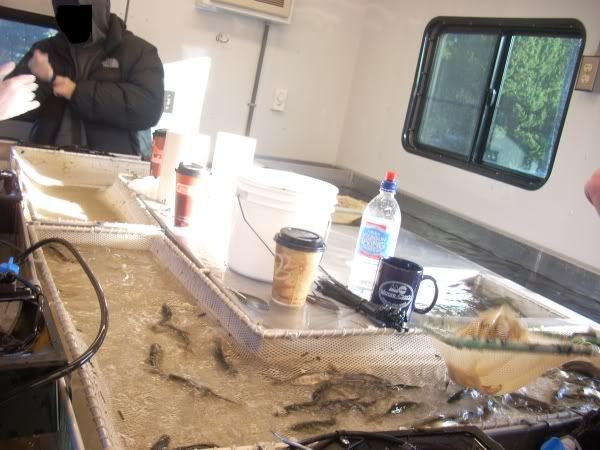
So who "marks" these fish? And how is it done? Well, its not a very glamorous job! For two and half weeks, Amy and about a dozen other paid temps occupied a specially built trailer where they clipped the fins from hundreds of thousands of baby fish. It was during this time that she took these photos and videos (with the old Nikon, by the way).

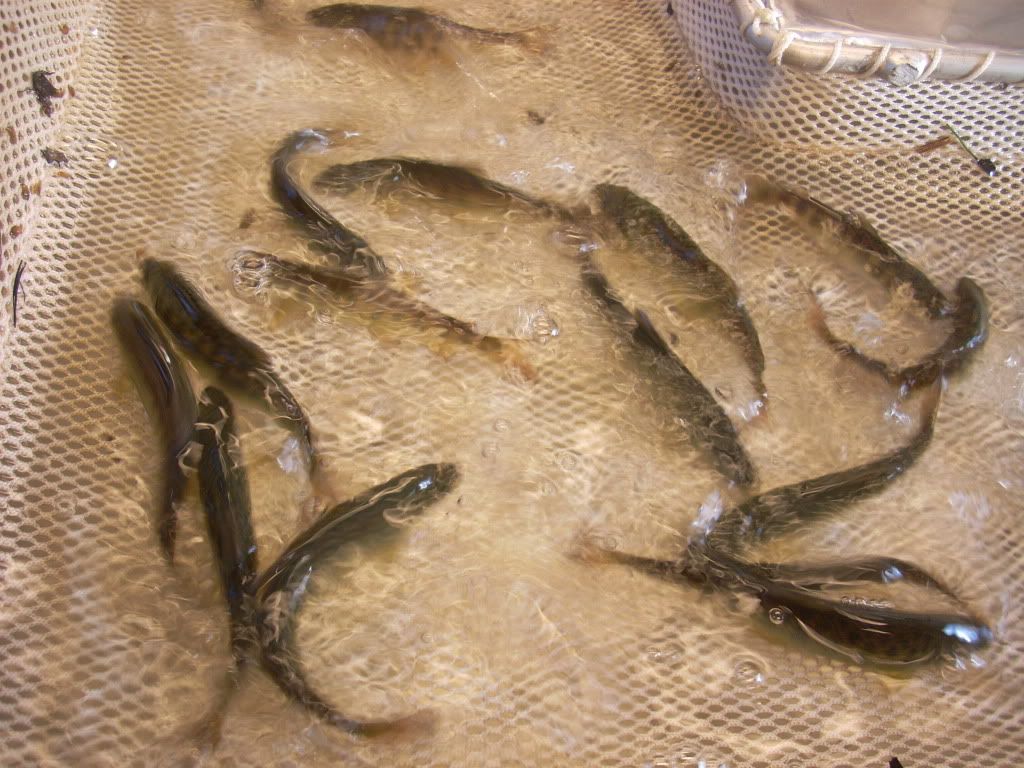
The fish come sluicing into the trailer where they swim through a solution that anaesthetizes them, making them easier to handle and in theory they'll feel less pain when their adipose fin is clipped.

After the fluid they get on to the "table" where the fin-clippers have at them. Amy says that as the fins are clipped off, like fingernails, some of them go flying into your hair or on to your coat.

These particular fish are Coho if I remember right. The clipper scissors are specially made. One day she came home in one of my coats - it was covered in little black fins. Later I put it on before it had been washed and I freaked out when all these fins can falling off of me.


Amy clipping some fins

In the video immediate above, you can see the Glamorous Amy clipping the fins from a couple of Coho while wearing one of my shirts (hey!). She says the hardest part about the job is the all the standing. But she's excited to do it again the next time they need some serious fin clipping!

In 2013, if you catch a salmon out of a Washington river and its adipose fin is missing, you may have Amy to thank. And the missing fin from your fish could be one of the ones in my coat.

Sunday, February 14, 2010

First Fish of 2010

Haven't been fishing for like 5 months. But today is Valentine's day, and both of us love fishing and the weather was nice. Fished a nearby lake from 3-5pm and caught this beauty on a gold-ribbed hare's ear that I received as part of a fly swap from washingtonflyfishing.com. The fish was SO NICE (probably 15-16" and fat) that I am declining on mentioning the name of the lake just yet!

Here's to a happy Valentine's day.

Friday, December 4, 2009

Three Point and Shoot Cameras

500 different visitors were reading this blog each month during this summer. It's definitely not me they were here to look at, so I figure it had to be all the pictures of the beautiful alpine lakes I visted this year. That gives some meaning to the choice of camera I've been using.

I use point and shoot cameras for a simple reason; weight. My friend Vlad Karpinsky, the uber-alpine-lake-ninja, will lug around ten pounds of camera equipment when hiking for hours to alpine lakes, but I won't. Also, I am incredibly hard on electronic equipment since I tend to fall into rivers and lakes quite often, so that's another reason to avoid the $600 digital SLR cameras.

This year I used three different point and shoot cameras with varying results.


5 Megapixel Nikon Coolpix L10 ($150 in 2007)

10 Megapixel Fujifilm FinePix J20 ($120)


10 Megapixel Canon Powershot SD1200 IS ($180)


Taken with Nikon L10 - A good camera at a good price.

The Nikon is actually several years old and it has been a trooper. Its maximum resolution is 5M. Without getting too technical, I found the colors to be deep and pleasing. I've always been satisfied with the pictures that it takes. It has survived at least two complete submergings but it is starting to feel its age, and its 5-second delay between pictures seems like AGES. I would buy the Nikon L10 again. A good camera at a good price.


Fujifilm FinePix J20: Terrible Pictures!

The Fujifilm Finepix J20 had a pleasing set of chassis and the price was certainly right -- $120 for a 10 Megapixel camera. The camera seemed to be half the size the Nikon, was more responsive and had a faster in-between-picture metric. I liked everything about this camera... except I hated the pictures. They always looked washed out and the colors were muddy. I tried and tried messing with the settings but honestly 9 out of 10 pictures looked awful.


Canon Powershot SD1200 IS - Good little camera, I'd buy again!

I returned the FujiFilm and, after reading many online reviews, bought the Canon Powershot SD1200 IS. I was a little concerned about getting a camera with a built-in battery, but I ultimately couldn't resist the camera's compact size. I loved the Canon -- it took great pictures and was easy to work with. Sadly, perhaps because it was so small, I lost it a few months after the purchase. I'm hoping its still around the house somewhere, perhaps in the pocket of a jacket I haven't worn since summer.


iPhone 3Gs Image -- Eh, Its Okay

So until I find the Canon again, I use the Nikon or in a pinch, my iPhone 3Gs. The iPhone has no focus feature, has poor colors and is slow. But on the other hand, I always have it.

But when summer comes around again, I think those 500 visitors are going to want to see pictures taken from the Canon, so here's to hoping I find it!